The quick answer: what is the difference between Wegovy and Ozempic
Wegovy and Ozempic are both semaglutide, made by Novo Nordisk, but they are different FDA-approved medications. Wegovy is approved for chronic weight management at doses up to 2.4 mg weekly. Ozempic is approved for type 2 diabetes at doses up to 2.0 mg weekly. They come in different pens, are priced and covered differently by insurance, and a pharmacy cannot substitute one for the other.
If you have ever wondered is Wegovy the same as Ozempic, the technically correct answer is "the active ingredient is identical, but the products are not." That distinction matters more than it sounds. The same molecule shows up in two boxes with two labels because Novo Nordisk ran two separate clinical development programs for two different diseases — diabetes first, then obesity. The FDA approves drugs for specific uses, and the product you receive at the pharmacy is tied to one of those approvals.
For most people the practical question is not "are they the same drug" (yes) but "which one will my insurance cover, which one is right for my condition, and what happens if I switch." Those are the questions this guide answers.
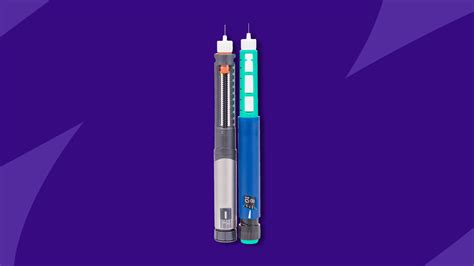
Side-by-side comparison: Wegovy vs Ozempic
The table below summarizes the official labels for both medications as of April 2026. Sources are the FDA prescribing information for Wegovy and Ozempic.
| Wegovy | Ozempic | |
|---|---|---|
| Brand name | Wegovy | Ozempic |
| Active ingredient | semaglutide | semaglutide |
| Drug class | GLP-1 receptor agonist | GLP-1 receptor agonist |
| FDA indication | Chronic weight management | Type 2 diabetes (not FDA-approved for weight loss) |
| How it’s taken | Subcutaneous injection, once weekly | Subcutaneous injection, once weekly |
| Maximum dose | 2.4 mg weekly | 2.0 mg weekly |
| Average weight loss | 14.9% body weight at 68 weeks (STEP 1 trial) | Not a primary endpoint; ~6% at approved doses |
| FDA approval | 2021 | 2017 |
| List price | $1349/mo retail, $499/mo NovoCare cash pay | ~$968/mo retail |
The line that matters most is the FDA indication. Wegovy carries the chronic weight management indication. Ozempic carries the type 2 diabetes indication and a separate cardiovascular risk reduction indication for diabetics. Everything downstream — prior authorization criteria, formulary placement, copay tier, refill rules — flows from those approvals.
Same drug, different purpose: how semaglutide became two medications
Semaglutide started as a diabetes drug. Novo Nordisk developed it as a long-acting GLP-1 receptor agonist to improve blood sugar control in adults with type 2 diabetes. After successful phase 3 trials in the SUSTAIN program, the FDA approved it under the brand name Ozempic in December 2017. It was Novo Nordisk's follow-up to Victoza (liraglutide), with the major advantage of once-weekly dosing instead of daily injections.
Researchers and clinicians had noticed something during the diabetes trials: patients on semaglutide were losing meaningful amounts of weight. GLP-1 receptors are not only in the pancreas — they are also in the brain regions that regulate appetite. The same drug that lowered HbA1c also lowered hunger.
Novo Nordisk launched a separate development program — the STEP trials — to test semaglutide specifically for weight management in non-diabetic patients with obesity. The trials used a higher maximum dose (2.4 mg weekly) than the diabetes program (which capped at 1.0 mg at the time, later raised to 2.0 mg). At that higher dose, in the largest trial (STEP 1), participants lost an average of 14.9% of their body weight over 68 weeks.
Based on the STEP data, the FDA approved semaglutide under a new brand name — Wegovy — in June 2021, specifically for chronic weight management. This is the standard approach in pharma: when a single molecule has two distinct indications and meaningfully different dosing, it gets two distinct brand identities so prescribers, insurers, and patients can keep them straight.
Why the branding actually matters
A drug brand is not just marketing. It is tied to a specific FDA application, a specific label, a specific patient population, and a specific National Drug Code (NDC) number that pharmacies and insurers use to track and bill. When your insurance covers "Ozempic for type 2 diabetes," it is making a coverage decision keyed to that NDC and that indication. Wegovy is a different NDC, a different indication, and a different coverage decision.
FDA indications and approval history
The two medications have different approval timelines and very different label language. This is the legal foundation for everything else in the comparison.
| Year | Wegovy | Ozempic |
|---|---|---|
| 2017 | — | FDA approval for type 2 diabetes (max 1.0 mg) |
| 2020 | — | Approval for cardiovascular risk reduction in adults with type 2 diabetes and CVD |
| 2021 | FDA approval for chronic weight management in adults (max 2.4 mg) | Approval of higher 2.0 mg dose for diabetes |
| 2022 | Approval for adolescents 12+ with obesity | — |
| 2024 | Approval for cardiovascular risk reduction in adults with obesity and CVD | — |
Ozempic's label says it is indicated as an adjunct to diet and exercise to improve glycemic control in adults with type 2 diabetes mellitus, and to reduce the risk of major adverse cardiovascular events in adults with type 2 diabetes and established cardiovascular disease. It does not list weight loss as an indication.
Wegovy's label says it is indicated for chronic weight management in adults with obesity (BMI ≥ 30) or overweight (BMI ≥ 27) with at least one weight-related condition, in adolescents aged 12 and older with obesity, and (since 2024) to reduce the risk of major adverse cardiovascular events in adults with obesity and established cardiovascular disease. Diabetes is not on the Wegovy label as a primary indication.
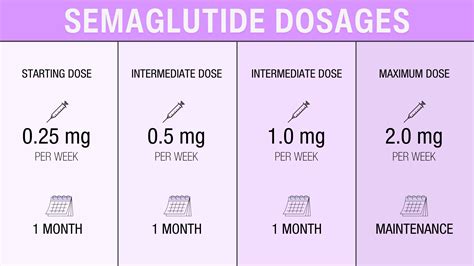
Dosing: Wegovy 0.25-2.4 vs Ozempic 0.25-2.0
Both medications start at the same dose and titrate upward to manage gastrointestinal side effects. The titration schedules look almost identical — until you reach the top.
| Phase | Wegovy | Ozempic |
|---|---|---|
| Weeks 1-4 | 0.25 mg weekly | 0.25 mg weekly |
| Weeks 5-8 | 0.5 mg weekly | 0.5 mg weekly |
| Weeks 9-12 | 1.0 mg weekly | 1.0 mg weekly (often the long-term diabetes dose) |
| Weeks 13-16 | 1.7 mg weekly | (no equivalent strength) |
| Week 17+ | 2.4 mg weekly (maintenance) | Up to 2.0 mg weekly if higher dose needed for glycemic control |
The Wegovy pen comes in five strengths (0.25, 0.5, 1.0, 1.7, and 2.4 mg). The Ozempic pen comes in four strengths (0.25, 0.5, 1.0, and 2.0 mg). The two pens are physically different — Wegovy uses a single-dose, fixed-dose pen that is replaced each week, while Ozempic uses a multi-dose pen with a dial. The Wegovy pens are color-coded by strength and clearly labeled to prevent dosing errors.
For the full month-by-month titration plan and what to do if you miss a dose, see the Wegovy dosing guide.
The 1.7 mg and 2.4 mg strengths exist only in the Wegovy lineup. There is no Ozempic pen at those strengths. Trying to titrate Ozempic past 2.0 mg by stacking injections is unsafe, off-label, and not endorsed by Novo Nordisk or the FDA.
Effectiveness for weight loss
This is the section where the two medications diverge most clearly. Wegovy was studied for weight loss directly, in tens of thousands of non-diabetic patients with obesity. Ozempic was not.
Wegovy: the on-label weight loss data
The pivotal trial for Wegovy was STEP 1, published in the New England Journal of Medicine in 2021. Adults with a BMI of 30 or more (or 27 with a comorbidity) were randomized to semaglutide 2.4 mg weekly or placebo, alongside lifestyle counseling, for 68 weeks.
- Semaglutide 2.4 mg: mean weight loss of 14.9% of starting body weight
- Placebo: mean weight loss of 2.4%
- Patients losing ≥10%: 69% on semaglutide vs 12% on placebo
- Patients losing ≥15%: 50% on semaglutide vs 5% on placebo
Subsequent STEP trials confirmed and extended the findings. STEP 5 followed patients for 104 weeks and showed sustained weight loss of about 15% with continued treatment. STEP 8 directly compared semaglutide 2.4 mg to liraglutide 3.0 mg (Saxenda) and showed semaglutide produced roughly twice the weight loss.
Ozempic: the off-label picture
Ozempic has been studied at lower doses for diabetes. In the SUSTAIN program, average weight loss in diabetic patients was modest — typically about 4-6% of body weight at the 1.0 mg dose, and somewhat more at 2.0 mg. These trials were not designed as weight loss studies; weight was a secondary endpoint and the participants had type 2 diabetes, which is a different metabolic context than obesity in non-diabetic patients.
There is no large, dedicated trial of Ozempic 2.0 mg in non-diabetic patients with obesity, because Novo Nordisk ran that program under the Wegovy brand instead. So when patients ask whether Ozempic "works as well as Wegovy" for weight loss, the honest answer is: at the same dose (1.0 mg), the molecule is the same, so the appetite-suppressing effect should be similar. But Ozempic does not go up to the 2.4 mg dose where the largest weight loss is seen, and most off-label Ozempic prescriptions never escalate beyond 1.0 mg because that is the standard diabetes maintenance dose.
Some clinicians prescribe Ozempic off-label to non-diabetic patients seeking weight loss, often because Wegovy is not covered or not available. This is legal physician discretion, but it has real downsides: insurance almost never covers it, the maximum dose is lower than Wegovy, and aggressive off-label demand contributed to the 2022-2024 shortage that left many diabetics without their medication. We do not encourage off-label use; we are explaining why it happens.
Side effects: virtually identical
Because the active ingredient is the same, the side effect profile of Wegovy and Ozempic is also essentially the same. The differences come from dose level, not drug identity.
| Side effect category | Wegovy | Ozempic |
|---|---|---|
| Very common (≥10%) | Nausea, diarrhea, vomiting, constipation, abdominal pain, headache, fatigue | Nausea, diarrhea, vomiting, constipation, abdominal pain |
| Common (1-10%) | Belching, reflux, gallbladder issues, hair thinning, dizziness | Belching, reflux, hypoglycemia (with insulin or sulfonylureas), gallbladder issues |
| Serious but uncommon | Pancreatitis, kidney injury, allergic reactions | Pancreatitis, kidney injury, allergic reactions, diabetic retinopathy progression |
| Boxed warning | Thyroid C-cell tumors (rodent data) | Thyroid C-cell tumors (rodent data) |
Wegovy patients on the higher 2.4 mg dose tend to report nausea and other GI symptoms more frequently than Ozempic patients on lower diabetes doses, simply because more drug is on board. Both medications are titrated slowly to mitigate this. For the complete breakdown, see our Wegovy side effects guide.
Cost and insurance differences
On paper, Ozempic looks cheaper than Wegovy: roughly $968 per month for Ozempic versus $1,349 per month for Wegovy at retail. In practice the cost picture is more complicated because of how insurance treats each drug and because Wegovy now has a direct-to-consumer self-pay program that Ozempic does not.
| Pricing scenario | Wegovy | Ozempic |
|---|---|---|
| Retail list price | ~$1,349/month | ~$968/month |
| Manufacturer self-pay | $499/month (NovoCare) | None |
| With commercial insurance | $0-$25/mo if covered + savings card | $25/mo if covered for diabetes + savings card |
| Medicare Part D | Permitted only for CVD indication (since 2024) | Covered for type 2 diabetes |
| Insurance for weight loss | Varies by plan, often covered with prior auth | Almost never covered (off-label) |
Here is the part that surprises people: if you do not have type 2 diabetes and your doctor prescribes Ozempic for weight loss, your insurance will almost certainly deny the claim. You will pay the full retail price of about $968 per month out of pocket — and unlike Wegovy, there is no manufacturer self-pay program to bring that number down. Wegovy at $499 through NovoCare is significantly cheaper than Ozempic at retail for non-diabetic patients.
For full pricing detail, see our Wegovy cost guide. For coverage logic by carrier, see our insurance and savings guides linked from the all comparisons hub.
Availability and shortage history
From 2022 through early 2025, the FDA listed semaglutide injection products as in shortage. Both Wegovy and Ozempic were affected. The cause was a combination of unprecedented demand — driven by viral social media coverage and rapid adoption of GLP-1s for weight loss — and the limits of Novo Nordisk's manufacturing capacity for the auto-injector pens.
During the shortage, several things happened in parallel:
- Wegovy starter doses (0.25 mg, 0.5 mg) were chronically backordered at major pharmacies.
- Off-label Ozempic prescribing for weight loss accelerated, worsening shortages of the diabetes medication and causing real harm to patients with type 2 diabetes who lost access to their treatment.
- Compounding pharmacies legally produced compounded semaglutide under FDA shortage rules (sections 503A and 503B). Quality varied widely.
- Novo Nordisk announced multibillion-dollar capital investments to expand manufacturing.
The FDA officially declared the shortage resolved in early 2025. Most legal compounding ended at that point. In 2026, both Wegovy and Ozempic are generally available at major pharmacies, though local stockouts still occur. Novo Nordisk's NovoCare direct-to-consumer pharmacy ships Wegovy reliably for self-pay patients.
Which should you take: a decision framework
The choice between Wegovy and Ozempic is not really a "which is better" question — it is a question of which one matches your diagnosis and your insurance situation. A simple decision framework:
| Your situation | Most likely best fit | Why |
|---|---|---|
| Type 2 diabetes, no obesity | Ozempic | FDA-approved indication, covered by most insurance and Medicare |
| Type 2 diabetes plus obesity | Talk to your doctor — could be either | Wegovy treats both; Ozempic treats diabetes with secondary weight effect |
| Obesity, no diabetes | Wegovy | On-label indication, higher max dose, often covered with prior auth |
| Obesity, no insurance | Wegovy via NovoCare ($499) | Cheaper than retail Ozempic and on-label |
| Obesity plus established CVD | Wegovy | FDA-approved 2024 for cardiovascular risk reduction in this group |
| Pre-diabetes only | Talk to your doctor | Neither has a dedicated pre-diabetes label; Wegovy is the on-label option if BMI qualifies |
This is a guide, not a prescription. The actual decision belongs to you and a licensed clinician who knows your full health history. If you want a fast way to find one, a telehealth consultation is the lowest-friction starting point.
Can you switch from Ozempic to Wegovy
Yes, and many patients do — often because their insurance situation changes, because their condition changes (they were on Ozempic for diabetes and have lost enough weight to no longer be diabetic but still want continued weight management), or because they want to escalate to the higher 2.4 mg Wegovy dose.
A switch from Ozempic to Wegovy is straightforward in principle:
- Your provider writes a new prescription for Wegovy at an appropriate starting dose.
- Most providers will not drop you back to 0.25 mg if you have been tolerating a higher Ozempic dose. Common practice is to start Wegovy at the dose closest to your current Ozempic dose, then continue titrating toward 2.4 mg.
- You stop your Ozempic pen and begin the Wegovy pen on your usual injection day the following week.
- Insurance prior authorization for Wegovy may be required, especially if your previous Ozempic was billed for diabetes and your Wegovy is for weight loss.
The hardest part of switching is usually administrative, not medical. Insurance plans treat the two as different products with different coverage rules, so a switch can trigger a fresh prior authorization, a step therapy requirement, or a denial that needs to be appealed. Document your prior weight loss history, BMI, comorbidities, and any prior medications you have tried — appeals are routinely successful with complete documentation.
Patients also sometimes switch from Wegovy to Ozempic — usually for cost reasons (Ozempic at retail can be cheaper than Wegovy if you have no insurance and do not qualify for NovoCare), or because they developed type 2 diabetes during treatment and Ozempic is now the on-label fit. The mechanics are the same: new prescription, restart titration as your provider directs.
What about Zepbound and compounded semaglutide
Two related questions come up so often they belong here. First: how does Zepbound (tirzepatide) compare? Zepbound is a different molecule made by Eli Lilly. It activates two gut hormone receptors (GIP and GLP-1) instead of just one, and in head-to-head trial data it produced larger average weight loss (about 20.9% in SURMOUNT-1 at 72 weeks) than Wegovy's 14.9% in STEP 1. We cover the full comparison in Wegovy vs Zepbound.
Second: what about compounded semaglutide? During the 2022-2024 shortage, FDA rules allowed certain compounding pharmacies to legally produce semaglutide. With the shortage now resolved, most legal compounding has ended. Products still marketed as "compounded semaglutide" are often sourced from unregulated facilities and are not FDA-approved, not bioequivalent to Wegovy or Ozempic, and have known issues with potency, purity, and sterility. Stick to FDA-approved Wegovy or Ozempic from a licensed pharmacy.
Frequently Asked Questions
Is Wegovy the same as Ozempic?
Wegovy and Ozempic both contain the same active ingredient — semaglutide — and are made by the same company, Novo Nordisk. But they are not the same medication. They have different FDA approvals, different maximum doses (Wegovy goes up to 2.4 mg weekly, Ozempic up to 2.0 mg weekly), different pen designs, different prices, and different insurance treatment. A pharmacy cannot legally substitute one for the other.
What is the difference between Wegovy and Ozempic?
The molecule is identical, but the medications are not. Wegovy is FDA-approved for chronic weight management in adults and adolescents with obesity, and dosed up to 2.4 mg weekly. Ozempic is FDA-approved for type 2 diabetes (and to reduce cardiovascular risk in diabetics), and dosed up to 2.0 mg weekly. They come in different pens with different dose markings and are billed and covered differently by insurance.
Which is better, Wegovy or Ozempic, for weight loss?
For weight loss specifically, Wegovy is the medication studied and approved for that use. In the STEP 1 trial, adults on Wegovy 2.4 mg lost an average of 14.9% of body weight at 68 weeks. Ozempic at its maximum approved dose of 2.0 mg has not been tested in a dedicated weight loss trial of the same size. The lower 1.0 mg dose of Ozempic produced about 6% weight loss in diabetes trials. If your goal is weight loss and you are not diabetic, Wegovy is the on-label option.
Can my pharmacy substitute Ozempic for Wegovy?
No. Even though they contain the same drug, Wegovy and Ozempic are separate FDA-approved products with separate labels, separate NDC numbers, and separate pens. Pharmacists cannot substitute one for the other the way they substitute a generic for a brand. Your prescriber must write the specific brand and dose, and your pharmacy fills exactly what is prescribed.
Why do doctors prescribe Ozempic for weight loss?
Some clinicians prescribe Ozempic off-label for weight loss in non-diabetic patients, particularly when Wegovy is unavailable or not covered by insurance. This is legal — once a drug is FDA-approved, physicians have discretion to prescribe it for other uses — but it has downsides. Insurance almost never covers Ozempic for weight loss, the maximum dose is lower than Wegovy, and it contributed to the 2022-2024 shortage that left many diabetic patients without their medication.
Is Ozempic cheaper than Wegovy?
At list price, Ozempic is somewhat cheaper — about $968 per month vs $1,349 for Wegovy. But the comparison is misleading. Wegovy now has a $499 NovoCare self-pay program for any dose, which Ozempic does not offer. With insurance, Ozempic is usually only covered for diagnosed type 2 diabetes; if you do not have diabetes, your insurance will likely deny it, leaving you with the full cash price.
How do I switch from Ozempic to Wegovy?
A switch from Ozempic to Wegovy requires a new prescription and a discussion with your provider about dosing. There is no exact dose-for-dose conversion in the FDA labels, but in practice many providers move patients to a Wegovy dose at or near the strength they were already taking, then continue titrating toward 2.4 mg. Insurance and prior authorization are usually the biggest hurdle, not the medication change itself.
Can you take Ozempic and Wegovy at the same time?
No. Both medications contain semaglutide and taking them together would mean a double dose of the same drug, increasing the risk of severe gastrointestinal side effects, dehydration, and pancreatitis without any added benefit. Patients should be on one or the other, never both.
Are the side effects of Wegovy and Ozempic different?
The side effects are essentially identical because the active ingredient is the same. Both cause nausea, diarrhea, vomiting, constipation, abdominal pain, and headache as the most common adverse events, and both carry the same boxed warning for the risk of thyroid C-cell tumors observed in rodent studies. Wegovy patients on the higher 2.4 mg dose may experience these side effects somewhat more often than Ozempic patients on lower diabetes doses.
Will Medicare cover Wegovy or Ozempic?
Medicare Part D covers Ozempic for type 2 diabetes when medically indicated, and it has for years. Medicare cannot cover Wegovy for weight loss alone (this is prohibited by the Medicare Modernization Act of 2003). However, since the FDA approved Wegovy in 2024 to reduce cardiovascular events in adults with obesity and established cardiovascular disease, Part D plans are now permitted (though not required) to cover it for that specific indication.
Why was there an Ozempic shortage in 2023?
Demand for semaglutide for weight loss surged in 2022-2023, driven partly by viral social media coverage and off-label prescribing of Ozempic to non-diabetic patients. Novo Nordisk could not scale manufacturing fast enough to meet both diabetic patients' needs and weight loss demand. The FDA officially listed semaglutide injection products as in shortage from 2022 until early 2025. The shortage caused real harm to diabetic patients who lost access to their medication.
Is Wegovy stronger than Ozempic?
At their respective maximum doses, Wegovy is dosed higher: 2.4 mg weekly versus 2.0 mg for Ozempic. At lower doses (0.25, 0.5, 1.0 mg) the strengths are identical because they contain the same molecule. So at the maintenance level the dose is what differs, not the drug itself. The higher Wegovy dose is what produces the larger average weight loss seen in trials.
The bottom line
Wegovy and Ozempic are the same molecule packaged as two different medications because they were developed and approved for two different diseases. For type 2 diabetes, Ozempic is the right tool. For chronic weight management — especially if you do not have diabetes — Wegovy is the medication that was actually studied, approved, and dosed for that purpose. The technical question of whether they "work the same" is less useful than the practical question of which one your insurance covers, which one your prescriber can justify, and which one is actually available.
For the full Wegovy patient guide, see our Wegovy semaglutide overview. For the cost-only deep dive, see Wegovy cost in 2026. For tirzepatide head-to-head, see Wegovy vs Zepbound. For all GLP-1 weight loss drugs side by side, see the full comparison hub.