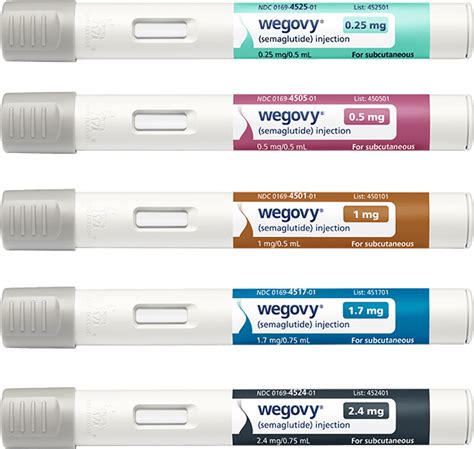
What Wegovy actually is
Wegovy is the brand name for a weekly injection of semaglutide, a synthetic version of a gut hormone called glucagon-like peptide-1 (GLP-1). It was developed by the Danish pharmaceutical company Novo Nordisk and approved by the U.S. Food and Drug Administration in June 2021 as a chronic weight management medication. It is the first medication in over a decade to demonstrate double-digit percentage weight loss in large clinical trials.
Wegovy (semaglutide) is an FDA-approved, once-weekly injectable medication used alongside diet and exercise for chronic weight management in adults with a BMI of 30 or higher, or 27 or higher with a weight-related condition. In 2022 it was also approved for adolescents 12 and older with obesity. In 2024 the FDA expanded the indication to include reduction of cardiovascular events in adults with obesity and established cardiovascular disease.
Even though Wegovy and Ozempic contain the same active ingredient, they are not the same medication. Wegovy is dosed specifically for weight loss (up to 2.4 mg weekly) and carries the FDA obesity indication. Ozempic is dosed for type 2 diabetes (up to 2.0 mg weekly). A pharmacy cannot substitute one for the other, and insurance policies treat them very differently. We cover this in depth in our Wegovy vs Ozempic comparison.
Active ingredient & drug class
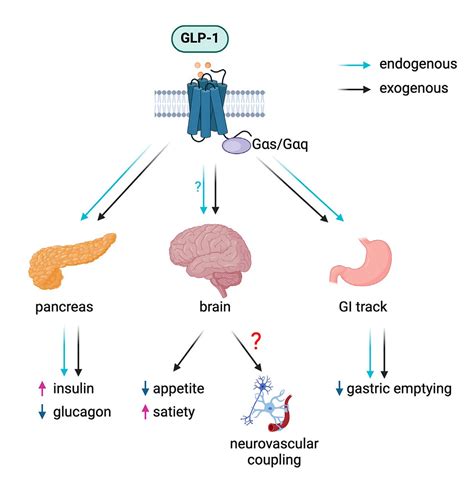
Semaglutide is a GLP-1 receptor agonist — a long-acting synthetic peptide engineered to resist breakdown so it can be dosed once a week instead of multiple times a day. It binds to and activates the GLP-1 receptor in the pancreas, brain, gut, and other tissues, producing a cascade of effects on appetite, satiety, gastric emptying, and glucose regulation.
Other medications in the same broad class include Ozempic (semaglutide, for diabetes), Rybelsus (oral semaglutide, for diabetes), Trulicity (dulaglutide), Victoza (liraglutide, for diabetes), and Saxenda (liraglutide, for weight loss). Zepbound and Mounjaro (tirzepatide) are in a related but distinct class — they are dual GIP/GLP-1 agonists, which means they activate two hormone receptors simultaneously.
How Wegovy works to cause weight loss
The simplest way to understand Wegovy is this: it makes you less hungry, for longer. But the underlying biology is more interesting than that summary suggests.
After you eat, your small intestine releases natural GLP-1 as part of the normal response to food. Natural GLP-1 has a half-life of about two minutes — the body breaks it down almost immediately. Semaglutide was engineered with structural modifications (a C18 fatty acid chain attached to a lysine residue) that allow it to bind to albumin in the blood, dramatically extending its half-life to roughly a week. That is why a single weekly injection can maintain stable drug levels.
Once in the body, semaglutide activates GLP-1 receptors in several places at once:
- In the brain — specifically in the hypothalamus and brainstem — it reduces hunger signals and increases the feeling of fullness after meals. Many patients describe it as a dialing down of the constant "food chatter" that drives snacking.
- In the stomach, it slows gastric emptying. Food stays in the stomach longer, so you feel full earlier in a meal and stay full longer between meals.
- In the pancreas, it stimulates insulin release in response to elevated glucose and suppresses glucagon, which helps regulate blood sugar. This is why semaglutide is also a diabetes medication.
- In the reward pathways of the brain, emerging research suggests GLP-1 agonists blunt the dopamine response to palatable food and, in some studies, to alcohol. This may explain why some patients on semaglutide report reduced cravings for high-sugar, high-fat foods and alcohol.
The combined effect is a meaningful reduction in calorie intake without the willpower battle that usually accompanies dieting. In the STEP 1 trial — the largest clinical trial of semaglutide for weight loss — participants on 2.4 mg weekly reduced their daily calorie intake by roughly 35% on average, without being asked to count calories or follow a specific diet.
Wegovy does not "burn fat" or raise your resting metabolic rate. The weight loss comes from eating substantially fewer calories because hunger is reduced. Exercise and protein intake remain important to preserve muscle mass during weight loss.
Who Wegovy is approved for
The FDA label specifies exactly who qualifies for Wegovy. If you are considering it, the starting point is your body mass index (BMI) and any weight-related health conditions you have.
| Population | BMI requirement | Additional criteria |
|---|---|---|
| Adults | ≥ 30 (obesity) | None required |
| Adults | ≥ 27 (overweight) | At least one weight-related condition: type 2 diabetes, hypertension, dyslipidemia, obstructive sleep apnea, or cardiovascular disease |
| Adults with CVD | ≥ 27 | Established cardiovascular disease (added 2024 for MACE reduction) |
| Adolescents 12+ | BMI ≥ 95th percentile for age/sex | Approved 2022 for pediatric obesity |
Wegovy is not a cosmetic weight loss drug and is not approved for people simply wanting to lose a few pounds. It is also contraindicated in some situations — we cover those in the side effects guide.
Check Your Wegovy Eligibility — Then Save 10%
Wegovy is FDA-approved for adults with BMI ≥30, or BMI ≥27 with at least one weight-related condition (type 2 diabetes, hypertension, dyslipidemia, sleep apnea, or established cardiovascular disease).
The dose schedule, at a glance
Wegovy is taken as a once-weekly subcutaneous injection (under the skin of the abdomen, thigh, or upper arm). It comes in a pre-filled, pre-measured pen — no vials, no syringes. The starting dose is very low on purpose: the drug is titrated upward over 16-20 weeks to minimize the nausea and GI side effects that are common in the early weeks.
The target maintenance dose is 2.4 mg weekly, but many patients do well on a lower dose (1.7 mg) and stay there if side effects are bothersome or weight loss is on track. Novo Nordisk has also released a higher-strength Wegovy HD 7.2 mg pen for selected patients who plateau on 2.4 mg. Your provider chooses the right step based on tolerability and progress. Full details — plus what to do if you miss a dose — are in the Wegovy dosing guide.
For patients who do not want a weekly injection, the Wegovy 25 mg oral tablet is now FDA-approved for chronic weight management. It is the first and only semaglutide pill for weight loss, taken once daily on an empty stomach with a strict 30-minute fast before any food, drink, or other medication. See the Wegovy pill guide for OASIS 1 trial results, side effects, and the morning routine.
Chapter 05Side effects, ranked by frequency
Roughly 74% of people in the STEP 1 trial reported a gastrointestinal side effect at some point during the study. Most were mild or moderate and most resolved within days or weeks. Only about 7% of patients discontinued the drug due to side effects — a low number for a medication taken for years at a time.
| Frequency | Side effects |
|---|---|
| Very common (≥10%) | Nausea, diarrhea, vomiting, constipation, abdominal pain, headache, fatigue, dyspepsia (indigestion), injection site reactions |
| Common (1-10%) | Belching, flatulence, gastroesophageal reflux, gastritis, dizziness, hypoglycemia (in diabetics), hair loss, gallbladder disorders |
| Uncommon (<1%) | Acute pancreatitis, acute kidney injury, allergic reactions, increased heart rate |
| Boxed warning | Risk of thyroid C-cell tumors — observed in rodent studies; human risk unknown. Contraindicated in people with personal/family history of medullary thyroid carcinoma or MEN 2. |
The full list, plus what to do about each, is in our Wegovy side effects guide, which also covers timelines (when they typically start and stop), alcohol interactions, hair loss, and the so-called "Wegovy face".
Severe abdominal pain that radiates to the back (possible pancreatitis), a neck lump or hoarseness that does not go away, yellowing of the skin or eyes (possible gallbladder issue), or severe vomiting and dehydration.
How much Wegovy costs
The list price of Wegovy is about $1,349 per month at most U.S. retail pharmacies. That number has become almost irrelevant in 2025-2026 because Novo Nordisk introduced a direct-to-consumer self-pay option:
- NovoCare Pharmacy self-pay: $499/month for all doses, if you pay cash and skip insurance entirely.
- With commercial insurance that covers it: $0 to $25/month using the NovoCare Savings Card.
- Without insurance at retail pharmacies: $1,200 to $1,450/month depending on the pharmacy and any GoodRx coupons applied.
- Medicare, Medicaid, and Tricare: generally not covered for weight loss indication, though Medicare Part D may cover it for the cardiovascular indication in eligible patients since 2024.
The hard part isn't the sticker price — it's navigating insurance. We break down pricing in detail and cover every coupon, savings card, and discount program in separate guides.
Chapter 07What results to expect
The headline number from the STEP 1 trial — 14.9% average body weight lost at 68 weeks — is a mean, not a guarantee. Individual results vary widely. Some patients on 2.4 mg lose 20% or more of their starting weight; a smaller group are "non-responders" and lose less than 5%. Your result depends on adherence, dose, diet, activity level, and genetic factors we don't yet fully understand.
A realistic timeline for most patients:
- Weeks 1-4 (0.25 mg): Early appetite suppression, 2-5 lbs of weight loss, mild nausea common.
- Weeks 5-8 (0.5 mg): Appetite reduction more noticeable. 5-10 lbs total loss.
- Weeks 9-16 (1.0 → 1.7 mg): Steady loss of 1-2 lbs per week for many. Food preferences may shift.
- Month 4+ (2.4 mg maintenance): Loss continues at 0.5-1.5 lbs per week for most. The STEP 1 trial hit peak weight loss around week 60.
- Plateau: Weight loss slows or stops for most people around the 12-18 month mark.
For the full month-by-month timeline and tips to maximize results, see our Wegovy results guide.
Chapter 08How Wegovy compares to the alternatives
Wegovy is one of several prescription weight loss medications. The three that come up most often in 2026:
| Drug | Active ingredient | Avg. weight loss (trial) | Dosing |
|---|---|---|---|
| Wegovy | semaglutide | 14.9% (STEP 1, 68 wks) | Weekly injection |
| Zepbound | tirzepatide | 20.9% (SURMOUNT-1, 72 wks) | Weekly injection |
| Saxenda | liraglutide | ~8% (56 wks) | Daily injection |
| Ozempic (off-label) | semaglutide | ~6% (at 1.0 mg) | Weekly injection |
Zepbound generally produces more weight loss in head-to-head trial data, but availability, insurance, and side effect profile all factor in. Read the full comparisons:
- Wegovy vs Zepbound — semaglutide vs tirzepatide
- Wegovy vs Ozempic — same drug, different dose
- Wegovy vs Mounjaro — weight loss vs diabetes indication
- Wegovy vs Saxenda — the previous-generation GLP-1 from Novo Nordisk
- All GLP-1 weight loss drugs compared
How to get Wegovy
You need a prescription. You can get one from your primary care doctor, an obesity medicine specialist, or through the online medical evaluation offered at checkout by our partner pharmacy. Once you have the prescription, it is filled at a retail pharmacy, at NovoCare Pharmacy (self-pay direct), or ordered online from our partner pharmacy.
For most people without specialist access or with insurance friction, the fastest route is ordering online from our partner pharmacy: you get a discounted cash price, apply coupon WEGOVY2026 for an extra 10% off at checkout, and the medication ships to your door.
Full walkthrough in our Wegovy where-to-buy guide.
Frequently Asked Questions
What is Wegovy used for?
Wegovy (semaglutide) is an FDA-approved injectable medication used for chronic weight management in adults with obesity (BMI ≥30) or overweight (BMI ≥27) with at least one weight-related condition such as type 2 diabetes, high blood pressure, or dyslipidemia. In 2024, the FDA also approved Wegovy to reduce the risk of major cardiovascular events in adults with established cardiovascular disease and obesity.
Is Wegovy the same as Ozempic?
Both Wegovy and Ozempic contain the same active ingredient — semaglutide — and are made by Novo Nordisk. However, they are different medications: Wegovy is FDA-approved for weight loss at doses up to 2.4 mg weekly, while Ozempic is approved for type 2 diabetes at doses up to 2.0 mg weekly. They are not interchangeable and pharmacies cannot substitute one for the other.
How does Wegovy work for weight loss?
Wegovy is a GLP-1 receptor agonist. It mimics a natural gut hormone called glucagon-like peptide-1, which signals fullness to the brain, slows stomach emptying, and reduces appetite. In the STEP 1 clinical trial, adults on 2.4 mg of semaglutide weekly lost an average of 14.9% of their body weight over 68 weeks alongside diet and exercise, compared to 2.4% in the placebo group.
Is Wegovy a GLP-1?
Yes. Wegovy is a glucagon-like peptide-1 (GLP-1) receptor agonist. It belongs to the same drug class as Ozempic, Trulicity, and Saxenda. GLP-1 agonists mimic a hormone released by the gut after eating, helping regulate blood sugar, slow digestion, and reduce hunger.
How much does Wegovy cost?
The retail list price of Wegovy is approximately $1,349 per month. In 2025, Novo Nordisk introduced a direct-to-consumer self-pay price of $499 per month through NovoCare Pharmacy for uninsured patients. With commercial insurance and the NovoCare Savings Card, eligible patients may pay as little as $0 to $25 per month.
What are the most common side effects of Wegovy?
The most common side effects are gastrointestinal: nausea, diarrhea, vomiting, constipation, abdominal pain, and headache. Most are mild to moderate and occur during dose escalation. Serious but rare side effects include pancreatitis, gallbladder disease, kidney problems, and a boxed warning for thyroid C-cell tumors observed in rodent studies.
How long do you have to take Wegovy?
Wegovy is intended for long-term use. Clinical trials and real-world data show that when patients stop taking it, most regain a significant portion of the weight they lost. Novo Nordisk and prescribing guidelines treat obesity as a chronic condition, meaning Wegovy is typically continued indefinitely as long as it is effective and well tolerated.
Do you need a prescription for Wegovy?
Yes. Wegovy is a prescription-only medication in the United States. It must be prescribed by a licensed healthcare provider after a medical evaluation. When you order through our partner online pharmacy, the prescription requirement is handled as part of checkout, and the medication ships to your door.