Quick answer
The Wegovy pill is oral semaglutide — the same active ingredient as the weekly Wegovy injection, formulated as a once-daily tablet at higher doses (25 mg and 50 mg) than the existing Rybelsus diabetes pill. In the OASIS 1 phase 3 trial, adults taking 50 mg daily lost an average of 15.1% of body weight over 68 weeks, very close to the 14.9% seen with injectable Wegovy in STEP 1. As of April 2026, the higher-dose oral formulation is in late-stage FDA review for chronic weight management; only the lower-dose Rybelsus tablets are currently approved, and only for type 2 diabetes. The pill must be taken first thing in the morning on an empty stomach, with no more than 4 ounces of plain water and a 30-minute fast before any food, drink, or other medications.
What is the Wegovy pill?
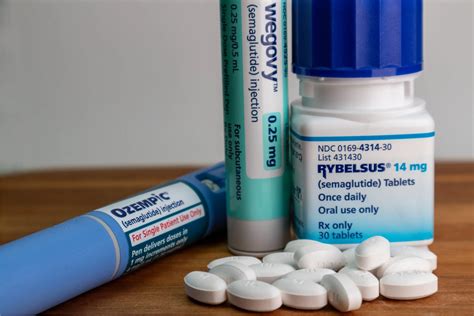
The "Wegovy pill" is the informal name patients and journalists use for an oral, daily-dose tablet of semaglutide developed for chronic weight management. It is made by Novo Nordisk — the same company that makes the weekly Wegovy injection and the Ozempic diabetes pen — and contains the exact same active molecule. The difference is the route of administration and the daily dose.
Semaglutide is a long-acting glucagon-like peptide-1 (GLP-1) receptor agonist. In its injectable forms, it has been on the market for years: Ozempic for type 2 diabetes since 2017, and Wegovy for chronic weight management since June 2021. Both are weekly subcutaneous shots from a pre-filled pen. The oral version exists because Novo Nordisk solved a hard pharmacology problem: peptides are normally destroyed by stomach acid and enzymes, so they cannot be swallowed. Their answer was a permeation enhancer called SNAC (sodium N-(8-[2-hydroxybenzoyl] amino) caprylate), which transiently raises gastric pH and helps semaglutide cross the stomach lining intact.
It is not the same as Rybelsus
This is the most common point of confusion, so it deserves its own paragraph. Rybelsus is also oral semaglutide. It has been FDA-approved since September 2019 for adults with type 2 diabetes, in three dose strengths: 3 mg, 7 mg, and 14 mg taken once daily. Rybelsus is not approved for weight loss, and its doses are too low to reliably produce double-digit-percent weight loss in patients without diabetes.
The "Wegovy pill" — the formulation Novo Nordisk submitted to the FDA for chronic weight management in 2023-2024 — uses much higher daily doses of 25 mg and 50 mg, formulated and titrated specifically for the obesity indication. Same molecule, same SNAC absorption technology, different label, different dose. Once approved, the two products will sit on pharmacy shelves the way Ozempic and Wegovy do today: same drug, different brand for a different indication.
Wegovy (injection, 0.25-2.4 mg weekly) is FDA-approved for chronic weight management in adults and adolescents 12 and older. Ozempic (injection, 0.25-2.0 mg weekly) is FDA-approved for type 2 diabetes. Rybelsus (oral, 3-14 mg daily) is FDA-approved for type 2 diabetes. The "Wegovy pill" (oral, 25-50 mg daily) is the pending or recently approved fourth member of the family, designed for weight loss.
FDA approval status
This section is the one most likely to be out of date the day after we publish it, so read it carefully. As of April 2026, the higher-dose oral semaglutide formulation that Novo Nordisk submitted for chronic weight management is in late-stage FDA review and a decision is widely expected in the very near term, but the indication may not yet be finalized. Always verify the current label with the FDA Orange Book, the manufacturer, or your prescriber before assuming a drug is approved for your condition.
Here is the timeline so far. Novo Nordisk completed the phase 3 OASIS 1 trial of oral semaglutide 50 mg for chronic weight management in 2023 and published the results in The Lancet that same year. The PIONEER PLUS trial, also published in 2023, evaluated higher-dose oral semaglutide in adults with type 2 diabetes. Together, those two trials formed the safety and efficacy basis for the New Drug Application that Novo Nordisk submitted to the FDA for the obesity indication. Industry reporting in late 2024 and 2025 indicated the FDA had accepted the application for review, and the company guided to a 2025-2026 launch window.
What that means in practice if you are reading this in 2026:
- If the higher-dose oral semaglutide for weight loss has been approved, your prescriber can write a prescription on-label and a specialty pharmacy will fill it. Insurance coverage and pricing details will roll out in waves, similar to the Wegovy injection launch in 2021.
- If it is still under review, the only legally available oral semaglutide in the US is Rybelsus at 3-14 mg, approved for type 2 diabetes. Some prescribers may prescribe Rybelsus off-label for weight loss, but the dose is below what the OASIS 1 trial used and results will be smaller.
- If your provider tells you the Wegovy pill is "available" but the price is suspiciously low, ask whether what they are offering is FDA-approved oral semaglutide or a compounded product. The FDA has repeatedly warned about compounded semaglutide products marketed as oral solutions or troches.
Approval status, brand naming, and dose strength can change between the time we publish this page and the time you read it. The single best place to verify is the FDA Drugs@FDA database and the official prescribing information that ships with the medication. Our cost guide and where-to-buy guide are updated as new information becomes available.
How the Wegovy pill works
The mechanism is identical to the injection because the active molecule is identical. Semaglutide is a synthetic, long-acting analog of natural GLP-1, the hormone your gut releases after a meal. By mimicking GLP-1 and binding to the GLP-1 receptor, it does four things at once:
- Reduces appetite by acting on hunger and satiety centers in the hypothalamus and brainstem. Many patients describe a quieting of the constant background "food noise" that drives snacking and second helpings.
- Slows gastric emptying, so food sits in the stomach longer. You feel full earlier in a meal and stay full longer between meals.
- Improves glucose regulation by stimulating insulin release in response to high blood sugar and suppressing glucagon. This is why semaglutide is also a diabetes drug.
- Modulates reward pathways in the brain — emerging data suggest GLP-1 agonists blunt the dopamine response to highly palatable food and, in some studies, alcohol.
The pharmacology is the same. What is different is how the molecule gets into your bloodstream. Injectable Wegovy is delivered subcutaneously, where it forms a slow-release depot under the skin. Oral semaglutide has to survive the stomach, get absorbed across the gastric epithelium, and reach the bloodstream — and it can only do that with the help of SNAC. SNAC raises local pH around the tablet, briefly protecting semaglutide from breakdown, and increases membrane permeability long enough for a fraction of the dose to cross into circulation.
The catch: the absorption process is fragile and highly dependent on conditions. Bioavailability of oral semaglutide is roughly 1% on average, compared with about 89% for injectable Wegovy. That is why the daily oral doses (25 mg and 50 mg) are an order of magnitude larger than the weekly injectable doses (up to 2.4 mg). And it is why the morning routine is so strict: any food, drink, or other medication in the stomach reduces absorption sharply, sometimes to near zero.
Pill dosing schedule
Oral semaglutide is titrated in monthly steps, the same general approach as the injection. The starting dose is deliberately low to reduce nausea and other GI side effects during the first few weeks of treatment. The titration moves through a diabetes-relevant range first (3 mg, 7 mg, 14 mg — the same doses as Rybelsus) before stepping up to the obesity-specific 25 mg and 50 mg doses for the weight loss indication.
| Dose | Typical duration | Notes |
|---|---|---|
| 3 mg | 30 days | Starting dose for oral semaglutide, taken once daily on empty stomach |
| 7 mg | 30 days | First escalation |
| 14 mg | ongoing | Maintenance dose for diabetes indication |
| 25 mg / 50 mg | pending | Higher doses under FDA review for weight management indication |
The 3 mg starting tablet is functionally a "ramp-up" dose — it does very little for weight loss on its own and exists to let the GI tract adjust before stepping up. Most prescribers move patients to 7 mg after 30 days and to 14 mg after another 30 days. For the weight loss indication, the next escalations are to 25 mg and then to the maintenance dose of 50 mg daily, taken on the same empty-stomach schedule as the lower doses.
Some patients respond well to the 25 mg dose and stay there if side effects are bothersome at 50 mg. Others titrate slowly because the GI side effects of escalation are too uncomfortable. Your prescriber may adjust the pace of titration based on tolerability — there is no one-size-fits-all schedule. For the injection schedule, see our Wegovy dosing guide.
Pill vs injection: effectiveness compared
The two most-cited trials are STEP 1 (injectable Wegovy 2.4 mg) and OASIS 1 (oral semaglutide 50 mg). Both ran for 68 weeks, both used a similar adult population without type 2 diabetes, and both reported placebo-adjusted weight loss as the primary endpoint.
| Trial | Drug & dose | Duration | Mean weight loss | ≥5% lost |
|---|---|---|---|---|
| STEP 1 | Semaglutide 2.4 mg weekly (injection) | 68 weeks | ~14.9% | ~86% |
| OASIS 1 | Semaglutide 50 mg daily (oral) | 68 weeks | ~15.1% | ~85% |
| PIONEER 4 | Semaglutide 14 mg daily (oral, diabetes) | 52 weeks | ~4.4 kg | n/a |
On paper the two head-to-head numbers are nearly identical. But there are a few important caveats. First, these were separate trials with separate populations, so the comparison is indirect — there has not yet been a published direct head-to-head comparing daily 50 mg oral semaglutide to weekly 2.4 mg injectable in the same patients. Second, at lower oral doses (25 mg and below) weight loss is meaningfully smaller. Third, real-world adherence to a daily pill that requires a 30-minute morning fast tends to be lower than adherence to a once-weekly injection — and adherence is the single biggest predictor of results outside of trials.
A reasonable read of the data: at the highest dose, with perfect adherence, the pill matches the shot. Step the dose down or skip mornings, and the gap widens quickly.
How to take the Wegovy pill correctly
Oral semaglutide is the most procedurally finicky weight loss medication in routine use. The 30-minute morning routine is not a suggestion — it is the difference between the drug working at the doses tested in the OASIS 1 trial and the drug working at a fraction of those doses. The prescribing information for Rybelsus, which uses the same SNAC absorption technology, gives the most detailed guidance and is the basis for what follows.
- First thing in the morning, before anything else. Take the tablet right after you wake up, before brushing your teeth, before coffee, before breakfast, before any other medication.
- Plain water only, and not much of it. Swallow the tablet whole with no more than about 4 ounces (120 ml) of plain water. More water actually reduces absorption because it dilutes the SNAC.
- Do not split, crush, or chew. The tablet is engineered to release the drug along with SNAC at the right place in the stomach. Crushing it breaks the formulation.
- Wait at least 30 minutes before eating any food, drinking any other beverage (including coffee, tea, juice, milk), or taking any other oral medications. Some prescribers recommend waiting longer if the patient has a slower morning.
- After 30 minutes, you can resume your normal morning. Coffee, breakfast, vitamins, and other medications are all fine.
- Be consistent. Take it every morning, at roughly the same time, even on weekends. Skipping doses or shifting the timing reduces overall drug exposure.
Bioavailability of oral semaglutide is roughly 1% under ideal conditions and can drop to near zero if there is food, fluid, or another tablet in the stomach when SNAC is trying to do its job. That is why the prescribing information specifies the 4 ounces of water and the 30-minute fast in such precise terms. Patients who treat the routine as flexible tend to get poor results and then conclude the drug "didn't work for me" — when the reality is that the drug never had a chance to be absorbed properly.
If you miss a dose, the standard guidance from the Rybelsus label is to skip it and take your next dose the following morning. Do not double up. Because semaglutide has a half-life of about a week, a single missed day will not crash your drug levels, but repeated misses will reduce overall exposure and weight loss.
Side effects of the Wegovy pill
Side effects of oral semaglutide are very similar to the injection because the active drug is the same. The pattern in OASIS 1 and PIONEER trials matches what STEP trials showed for the injection: gastrointestinal symptoms dominate, most are mild to moderate, most occur during dose escalation, and most resolve within days to weeks. Discontinuation rates due to adverse events run roughly 7-13% across the trial program — higher at the 50 mg dose than at lower doses.
| Frequency | Side effects |
|---|---|
| Very common (≥10%) | Nausea, diarrhea, vomiting, constipation, abdominal pain, decreased appetite, dyspepsia (indigestion) |
| Common (1-10%) | Eructation (belching), flatulence, gastritis, gastroesophageal reflux, fatigue, headache, dizziness, hypoglycemia (in diabetics), gallbladder disorders |
| Uncommon (<1%) | Acute pancreatitis, acute kidney injury, allergic reactions, increased heart rate, diabetic retinopathy worsening (in patients with pre-existing retinopathy) |
| Boxed warning | Risk of thyroid C-cell tumors observed in rodent studies; human risk unknown. Contraindicated in patients with personal or family history of medullary thyroid carcinoma or MEN 2. |
A few side-effect differences are worth noting between the pill and the injection. The pill produces slightly more dyspepsia, eructation, and abdominal discomfort than the injection at comparable systemic exposure, likely because the gastric absorption process itself is irritating. Injection site reactions (which are common with the weekly pen) obviously do not happen with the pill. Both routes share the same boxed thyroid warning and the same constipation, nausea, and gallbladder risk profile. For the full breakdown, see our Wegovy side effects guide.
Severe abdominal pain that radiates to the back (possible pancreatitis), persistent vomiting and signs of dehydration, yellowing of the skin or eyes (possible gallbladder issue), a neck lump or persistent hoarseness, or severe allergic reaction. These apply to both the pill and the injection — the route of administration does not change the underlying safety signals.
Cost of the Wegovy pill
Pricing for the higher-dose oral semaglutide for weight loss has not been finalized in early 2026, so anything we publish here is subject to change once the formulation officially launches. What we can say is what comparable products cost today:
- Rybelsus (oral semaglutide for diabetes, 3/7/14 mg): retail list price approximately $1,000 per month at most US pharmacies. With commercial insurance and the manufacturer savings card, eligible patients pay between $10 and $100 per month.
- Wegovy injection (semaglutide 0.25-2.4 mg weekly): retail list price approximately $1,349 per month. NovoCare direct self-pay program $499 per month. With commercial insurance and the savings card, $0 to $25 per month for eligible patients. See our Wegovy cost guide for the full breakdown.
- Wegovy pill (oral semaglutide 25/50 mg, pending): expected to launch at a price near or slightly above the injection. Industry analysts have forecast a list price in the $1,000 to $1,400 per month range. A NovoCare-style direct self-pay program is anticipated but unannounced as of April 2026.
Insurance coverage will follow the same patterns as the injection. Most commercial plans that already cover Wegovy will likely add the oral version to their formulary, often on Tier 3 with prior authorization. Medicare Part D will continue to be restricted by the 2003 statute that excludes weight-loss drugs, except for patients who qualify under the cardiovascular indication added in 2024. Medicaid coverage will continue to vary by state.
If cost is your main concern, the injection currently has the cheaper self-pay path ($499 through NovoCare), and that is unlikely to change in the immediate launch window for the pill. Watch our cost page for updates as Novo Nordisk announces final pricing.
Pros and cons of pill vs injection
The pill is not better than the injection. The injection is not better than the pill. They are different delivery systems for the same molecule, with different practical trade-offs. Here is the head-to-head:
| Feature | Wegovy pill (oral) | Wegovy injection |
|---|---|---|
| Route | Tablet, swallowed | Subcutaneous injection |
| Frequency | Once daily | Once weekly |
| Doses | 3, 7, 14, 25, 50 mg | 0.25, 0.5, 1.0, 1.7, 2.4 mg |
| Bioavailability | ~1% | ~89% |
| Avg. weight loss (max dose) | ~15.1% (OASIS 1) | ~14.9% (STEP 1) |
| Timing constraints | Strict empty-stomach morning routine | Anytime, with or without food |
| Storage | Room temperature, no refrigeration | Refrigerated; stable up to 28 days at room temp |
| Travel friendliness | High — pocketable, no cold chain | Lower — needs cooling for long trips |
| Needles | None | Pre-attached small needle in pen |
| Injection site reactions | None | Common (mild) |
| Common GI side effects | Slightly higher dyspepsia, belching | Slightly less GI noise at equivalent exposure |
| Adherence in real world | Lower (daily routine) | Higher (weekly habit) |
| Cost (expected) | ~$1,000-$1,400/mo retail | $1,349/mo retail; $499/mo NovoCare |
| FDA status (Apr 2026) | Pending or recently approved for weight loss | Approved since 2021 for weight loss |
The honest summary: the injection has more years of real-world data, a lower self-pay price, and a more forgiving schedule. The pill removes needles and refrigeration and offers a daily-routine option for people who prefer that. Effectiveness at the highest oral dose is comparable to the highest weekly injection, but only if you follow the morning routine perfectly.
Who should choose the pill over the injection
The pill is a reasonable first choice if you fall into one of these situations:
- Strong needle phobia. The Wegovy injection pen uses a very thin pre-attached needle, but for some patients no amount of "the needle is small" overcomes the anxiety. A daily tablet sidesteps the issue entirely.
- Frequent travelers. The injection requires refrigeration most of the time, plus careful planning around airport security and hotel mini-fridges. A bottle of tablets fits in any toiletry bag and travels at room temperature.
- You prefer daily routines. Some patients find a daily habit easier to remember than a once-a-week event. If you already take a morning vitamin or thyroid medication on an empty stomach, slotting in oral semaglutide is a small extension.
- You have had injection-site issues. A small number of patients on injectable Wegovy develop persistent injection-site reactions that interfere with adherence. The oral version sidesteps this.
The pill is probably not the right choice in these situations:
- Inconsistent mornings. If your morning schedule varies by 2+ hours from day to day, or you frequently grab coffee or breakfast within minutes of waking up, the 30-minute fast will be hard to maintain.
- Polypharmacy with strict timing. If you take levothyroxine, bisphosphonates, or other medications that require their own empty-stomach window, fitting them all into the morning gets impossible.
- History of poor oral medication absorption. Patients with gastric bypass, severe gastroparesis, or chronic GI conditions may not absorb oral semaglutide well. The injection bypasses the gut entirely.
- Cost is the primary driver and you have no insurance. Until Novo Nordisk announces a self-pay price for the oral version, the $499/month injection through NovoCare is the cheapest legal route to brand-name semaglutide.
- You hate daily medication routines. Some patients are religious about a Sunday-morning shot but cannot remember a daily pill. Honest self-knowledge matters here.
For more on choosing between weekly GLP-1 medications, see our Wegovy vs Ozempic comparison and the broader where-to-buy guide.
How to get a Wegovy pill prescription
Once the higher-dose oral formulation is FDA-approved for chronic weight management, the prescribing pathway will mirror the injection. You will need a prescription from a licensed healthcare provider — primary care, an obesity medicine specialist, or a telehealth physician — after a medical evaluation that confirms you meet the BMI criteria (≥30, or ≥27 with a weight-related condition) and have no contraindications.
Telehealth is the fastest route for most people. A licensed US physician reviews your medical history online, asks about medications, weight history, and goals, and if appropriate issues a prescription that is sent to a partnered pharmacy and shipped to your door. The whole process usually takes 10 to 20 minutes for the visit and a few business days for delivery. You do not need insurance to use a telehealth provider, but having insurance can lower the out-of-pocket cost considerably if your plan covers Wegovy.
Until the higher-dose oral formulation is officially approved, prescribers cannot legally provide it for weight loss in the US. What they can do is discuss the injection (which is approved), Rybelsus at lower doses for diabetes (if you also have diabetes), and the timeline for the oral weight-loss launch. If a website offers you "the Wegovy pill" today and the price seems too good to be true, it is almost certainly either compounded semaglutide of unknown quality or a misrepresentation of Rybelsus. Verify before you pay.
Frequently Asked Questions
Is the Wegovy pill FDA approved?
As of early 2026, the higher-dose oral semaglutide formulation that Novo Nordisk submitted for the weight loss indication is in late-stage FDA review. Lower doses of oral semaglutide (3 mg, 7 mg, 14 mg) have been FDA-approved since 2019 under the brand name Rybelsus, but only for type 2 diabetes — not for chronic weight management. Approval status changes quickly, so confirm the current label with the FDA Orange Book or your prescriber before starting any oral semaglutide product for weight loss.
Is the Wegovy pill as effective as the injection?
In the OASIS 1 phase 3 trial, adults taking 50 mg of oral semaglutide daily lost an average of about 15.1% of their body weight over 68 weeks, compared with 14.9% for injectable Wegovy at 2.4 mg weekly in the STEP 1 trial. The two numbers are close, but the studies were separate and the populations were different. At lower oral doses, weight loss is meaningfully smaller. So the pill can match the shot only at the highest doses and only when taken correctly every single day.
How much does the Wegovy pill cost?
Pricing for the weight loss formulation has not been finalized in early 2026, but it is widely expected to land near or slightly above the injection — roughly $1,000 to $1,400 per month at retail list price. Rybelsus, the diabetes version of oral semaglutide, currently has a list price of about $1,000 per month. A NovoCare-style direct self-pay program for the Wegovy pill is anticipated but not yet announced. See our cost guide for the latest verified figures.
How do you take the Wegovy pill?
Oral semaglutide must be taken once daily, first thing in the morning, on a completely empty stomach. Swallow one tablet whole with no more than 4 ounces (about 120 ml) of plain water. After taking it, you must wait at least 30 minutes before eating, drinking anything else, or taking other oral medications. Doing it any other way dramatically reduces absorption and the drug may not work.
What are the side effects of the Wegovy pill?
Side effects of oral semaglutide are very similar to the injection: nausea, diarrhea, vomiting, constipation, abdominal pain, and decreased appetite are the most common. In trials, gastrointestinal side effects appeared slightly more often with the pill than with the injection at comparable exposure, and a small number of patients reported eructation (belching), dyspepsia, and a metallic taste. Serious risks — pancreatitis, gallbladder disease, kidney injury, and the boxed warning for thyroid C-cell tumors — are class effects shared with all GLP-1 agonists.
When will the Wegovy pill be available?
Novo Nordisk submitted the higher-dose oral semaglutide for the weight loss indication to the FDA in 2023-2024. As of early 2026, approval is expected imminently and a US launch is anticipated soon after, but the exact timing depends on the FDA decision. Outside the United States, regulators in some markets are reviewing the same application on parallel timelines. Until the formal indication is granted, only the lower-dose Rybelsus tablets are commercially available, and only for diabetes.
Is the Wegovy pill the same as Rybelsus?
Both are oral semaglutide and both are made by Novo Nordisk, but they are not interchangeable. Rybelsus is approved for type 2 diabetes at doses of 3 mg, 7 mg, and 14 mg daily. The Wegovy pill, when fully approved, will use higher daily doses of 25 mg and 50 mg, formulated specifically for chronic weight management. They share the same active ingredient and the same absorption mechanism, but they are dosed and labeled differently.
Can I take the Wegovy pill with coffee?
No. Coffee, tea, juice, milk, food, and other medications all interfere with the absorption of oral semaglutide. Only plain water, no more than 4 ounces, is allowed when you swallow the tablet. After taking it, you must wait a full 30 minutes before drinking your coffee. Patients who try to "cheat" the food window typically see much weaker results.
Who should choose the pill over the injection?
The pill may be a better fit for people with a strong needle phobia, those who travel frequently and want to avoid the cold-chain logistics of refrigerated pens, or anyone who prefers a daily routine over a weekly injection. It is a worse fit for patients with inconsistent morning schedules, those who have trouble waiting 30 minutes before breakfast, or anyone who has had problems absorbing other oral medications. A frank conversation with your prescriber is the right starting point.
How do I get a Wegovy pill prescription?
Once the weight loss indication is approved, you will need a prescription from a licensed healthcare provider who has reviewed your BMI, medical history, and medications. Telehealth platforms can issue prescriptions for FDA-approved GLP-1 medications after a brief online consultation. Until the higher-dose formulation is approved, prescribers are not legally able to provide it for weight loss outside of clinical trials.
Does the Wegovy pill work if you forget a dose?
If you miss a daily dose of oral semaglutide, the prescribing information for Rybelsus (the diabetes version) instructs patients to skip the missed dose and resume the normal schedule the next day — do not double up. Because the drug has a long half-life, one missed day is unlikely to affect overall results, but repeated misses will reduce drug exposure and weight loss. Consistency is the single biggest predictor of how well an oral GLP-1 works.
Are there reviews of the Wegovy pill yet?
Real-world reviews of the higher-dose Wegovy pill are limited because the formulation is not yet broadly available in the US. The largest dataset comes from the OASIS 1 trial and from longer-term experience with Rybelsus at lower doses. Patients in OASIS 1 generally reported tolerability comparable to the injection, with the main complaint being the strict morning routine. We will update this page with verified patient experience as the formulation rolls out.