How to eat on Wegovy in one paragraph: there is no official Wegovy diet plan, but the eating pattern that works best is small, protein-forward meals with plenty of fiber and water-rich vegetables, while temporarily avoiding fried, greasy, sugary, and ultra-processed foods that worsen nausea. Aim for 1.2 to 1.6 g of protein per kg of body weight, at least 25 g of fiber, and 2 to 3 liters of water per day. Stop eating at about 70% full and inject on the same day each week — many patients pick a Friday or Saturday so any side effects fall on the weekend.
Quick answer: how to eat on Wegovy
Wegovy (semaglutide) is a GLP-1 receptor agonist that suppresses appetite and slows gastric emptying. The right diet on Wegovy is not a special "GLP-1 diet" — it is a standard high-protein, high-fiber, calorie-deficit pattern adapted for a stomach that empties more slowly than it used to. There are two practical jobs your eating plan needs to do:
- Harm reduction: avoid the foods that reliably trigger nausea, reflux, and bloating in the first days after an injection or dose increase.
- Optimization: hit enough protein, fiber, and water to preserve muscle, prevent constipation, and avoid the fatigue that comes from eating much less than your body is used to.
Everything below is built around those two ideas. None of it is restrictive in the diet-culture sense — it is just the pattern that most people on semaglutide land on after a few months of trial and error. For the science of why semaglutide makes these changes feel automatic, see the main Wegovy guide.
Why diet still matters on Wegovy
A common misconception is that Wegovy is a magic switch — inject it, and the weight comes off no matter what you eat. The clinical trial data tells a different story. In the STEP 1 trial, the 14.9% average body weight loss came from semaglutide plus a 500 kcal/day calorie deficit and 150 minutes of weekly physical activity. The drug made the deficit feel effortless; it did not replace it.
Semaglutide reinforces a calorie deficit in two ways. First, it dampens the hunger and "food noise" that drives snacking and second helpings, so eating less stops feeling like a fight. Second, it slows gastric emptying, which makes a smaller meal feel more filling and the fullness last longer. The diet's job is to make sure those reduced calories are nutritionally dense — high in protein to spare muscle, high in fiber to keep your gut moving, and low in the foods that turn appetite suppression into outright nausea.
Patients who skip this and continue to live on fast food, soda, and ultra-processed snacks usually end up in one of two places: stalled weight loss because liquid calories slip past the satiety signal, or constant nausea and vomiting because high-fat, high-sugar foods sit too long in a slow-emptying stomach. Neither is necessary. A modest shift in food quality fixes both.
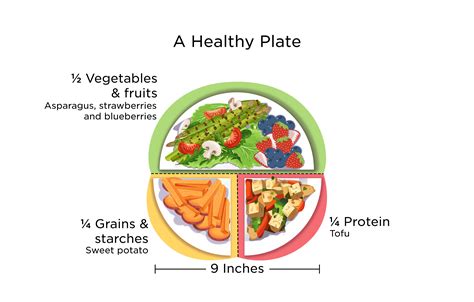
Foods to eat: protein, fiber, water, nutrients
Build meals around four food categories. You do not have to eat all of them at every meal, but most meals should hit at least three.
Lean and complete proteins
- Poultry and fish: chicken breast, turkey, salmon, cod, canned tuna, sardines, shrimp.
- Eggs and dairy: whole eggs, egg whites, Greek yogurt, cottage cheese, low-fat milk, kefir.
- Plant proteins: tofu, tempeh, edamame, lentils, black beans, chickpeas, seitan.
- Lean red meat: sirloin, flank steak, 93/7 ground beef or bison — in moderation, since fattier cuts can worsen nausea.
- Protein supplements: whey, casein, or pea protein shakes are useful on days when food does not appeal.
High-fiber carbohydrates
- Oats, barley, quinoa, brown rice, farro, whole-grain bread (in modest portions).
- Beans, lentils, split peas — double duty as protein and fiber.
- Berries, apples, pears, oranges, kiwi — fruit fiber helps with constipation.
- Sweet potato, butternut squash, carrots — slow carbs that pair well with protein.
Water-rich vegetables
- Cucumber, zucchini, lettuce, spinach, tomatoes, bell peppers, celery.
- Melon, watermelon, strawberries, peaches.
- Broth-based soups and stews — easy to tolerate when solid food feels heavy.
Healthy fats (in small amounts)
- Avocado, olive oil, nuts and seeds, nut butters, fatty fish.
- Keep portions modest — fats slow gastric emptying further, which can intensify fullness and nausea.
Foods to avoid (or limit) on Wegovy
None of these are banned. They are simply the foods that show up most often in patient-reported nausea logs and the prescribing information's tolerability discussion. Cut them back during the first week after each dose increase, then reintroduce in small amounts and see how you feel.
| Category | Examples | Why it's a problem |
|---|---|---|
| Greasy and fried | French fries, fried chicken, onion rings, deep-fried fish | High fat slows gastric emptying further, intensifying nausea and reflux |
| Fatty meats | Bacon, sausage, ribeye, fatty pork, processed deli meats | Same as above, plus high sodium and nitrates |
| Heavy cream sauces | Alfredo, carbonara, queso, creamy soups | Concentrated fat sits in the stomach for hours |
| Sugary drinks and desserts | Soda, sweet tea, milkshakes, cake, cookies, candy | Liquid calories bypass satiety; sugar can trigger nausea and dumping-like symptoms |
| Ultra-processed snacks | Chips, packaged cookies, frozen pizza, fast food | Engineered for overconsumption; low fiber and protein per calorie |
| Spicy food | Hot wings, very spicy curries, chili oils | Can worsen reflux and gastritis |
| Carbonated drinks | Soda, sparkling water in large volumes | Increases bloating, burping, and reflux |
| Large raw cruciferous | Big salads of raw broccoli, cabbage, cauliflower | Sulfur compounds + slow emptying = sulfur burps and gas |
A useful rule of thumb: if a food feels heavy two hours after eating it, your stomach is telling you it does not pair well with semaglutide right now. Reduce the portion next time, or swap it for a leaner option.
A sample 7-day Wegovy meal plan
The menu below is an illustrative template, not a prescription. It targets roughly 1,400 to 1,600 kcal per day with about 100 to 130 g of protein and 30 g of fiber for a person around 80 kg (176 lb). Adjust portions up or down based on your own calorie target, hunger, and provider guidance. Swap any meal for another from the same column if you do not like it.
| Day | Breakfast | Lunch | Dinner | Snack |
|---|---|---|---|---|
| Mon | Greek yogurt with berries, chia seeds, oats | Grilled chicken salad, olive oil, lemon | Baked salmon, quinoa, steamed green beans | Apple + 1 tbsp almond butter |
| Tue | Two eggs, whole-grain toast, sliced tomato | Lentil soup, side salad, small whole-grain roll | Turkey meatballs, zucchini noodles, marinara | Cottage cheese with cucumber |
| Wed | Protein smoothie (whey, banana, spinach, milk) | Tuna salad on greens, whole-grain crackers | Stir-fried tofu with broccoli, brown rice | Hard-boiled egg + orange |
| Thu | Overnight oats with peanut butter, berries | Chicken and vegetable wrap (whole-grain) | Grilled shrimp, sweet potato, asparagus | Greek yogurt with cinnamon |
| Fri | Cottage cheese, pineapple, walnuts | Quinoa bowl with chickpeas, feta, cucumber | Baked cod, lemon herb rice, sautéed spinach | Edamame, lightly salted |
| Sat | Veggie omelet with feta and herbs | Black bean and corn salad with chicken | Lean beef stir-fry with peppers, brown rice | Sliced pear + string cheese |
| Sun | Smoked salmon, whole-grain toast, avocado | Roast chicken, mashed cauliflower, salad | White bean and kale soup, side of fruit | Protein shake or kefir |
A few notes on using this template. First, eat slowly. Set a 20-minute timer per meal if you tend to rush. Second, do not force yourself to finish if you feel full at half — your stomach is genuinely smaller now. Third, keep a couple of "rescue" foods in the house for the day or two after an injection when nothing sounds good: bone broth, plain crackers, applesauce, scrambled eggs, plain Greek yogurt, banana.
Protein targets: 1.2 to 1.6 g/kg to preserve muscle
When you lose weight quickly — and Wegovy can produce 1 to 2 lb per week of loss for many patients — a meaningful share of that loss can come from lean body mass rather than fat. Protein is the single most important lever to bias the loss toward fat. Position stand papers from the International Society of Sports Nutrition and the European Society for Clinical Nutrition and Metabolism converge on a protein intake of 1.2 to 1.6 grams per kilogram of body weight per day during a calorie deficit, with the higher end appropriate for older adults and people who strength train.
| Body weight | Lower target (1.2 g/kg) | Upper target (1.6 g/kg) |
|---|---|---|
| 60 kg (132 lb) | 72 g/day | 96 g/day |
| 70 kg (154 lb) | 84 g/day | 112 g/day |
| 80 kg (176 lb) | 96 g/day | 128 g/day |
| 90 kg (198 lb) | 108 g/day | 144 g/day |
| 100 kg (220 lb) | 120 g/day | 160 g/day |
Spread protein across three to four meals rather than loading it all at dinner. Roughly 25 to 40 g of protein per meal is the range that maximizes muscle protein synthesis in most adults. Resistance training two or three times per week, even with bodyweight or light dumbbells, multiplies the muscle-sparing effect of adequate protein. For more on what to expect over time, see the Wegovy results guide.

Water and hydration
Hydration on Wegovy is non-negotiable for two reasons. First, semaglutide commonly causes constipation, and adequate water is the simplest fix. Second, the drug also causes diarrhea and vomiting in a meaningful minority of patients, and dehydration is the biggest preventable cause of acute kidney injury in this population — listed as an uncommon but serious adverse event in the prescribing information.
- Aim for 2 to 3 liters (64 to 100 oz) of fluid per day, more in hot weather or if exercising.
- Sip throughout the day rather than gulping — large volumes at once can worsen reflux.
- Drink mostly between meals, not during them, to leave room for food.
- Plain water is best; herbal tea, broth, and water-rich fruits all count toward the total.
- If you have been vomiting or have diarrhea, add an electrolyte mix (low or zero sugar).
- Caffeine in moderation is fine and counts toward fluid; very large coffee intakes can worsen reflux.
Best time of day to take Wegovy
Wegovy is taken once weekly as a subcutaneous injection. The FDA label states it can be administered at any time of day, with or without meals. Because semaglutide has a half-life of about a week, blood levels stay relatively flat and there is no pharmacokinetic reason to favor morning over night.
That said, patient experience and clinic guidance converge on a few practical patterns:
- Best time to avoid nausea: many patients prefer evening or bedtime injection so any peak nausea occurs while they are asleep.
- Best day of the week: Friday or Saturday is popular so the most uncomfortable 24 to 48 hours fall on the weekend.
- Consistency is the real rule: pick the same day each week and inject within a few hours of the same time. The label allows flexibility of up to two days if needed.
- Rotation: rotate injection sites between abdomen, thigh, and upper arm to avoid local irritation. See our injection technique guide.
For escalation timing and what to do when side effects appear at a new dose, the Wegovy dosing guide has the full schedule.
Alcohol on Wegovy
There is no formal contraindication to drinking on Wegovy, but the practical advice is to drink less, drink slower, and never drink on an empty stomach. Slowed gastric emptying means alcohol can hit harder than expected, hangovers tend to be worse, and the same mechanisms that cause nausea on Wegovy can be amplified by alcohol. Alcohol is also a known pancreatic irritant, and pancreatitis — though rare — is one of the more serious Wegovy side effects.
A surprising upside: many patients report a spontaneous reduction in alcohol cravings on semaglutide, an effect now under formal clinical investigation for alcohol use disorder. If you find drinks no longer appeal to you in the same way, that is a known and likely beneficial response. For the full discussion of alcohol interactions and red flags, see the Wegovy side effects guide.
Wegovy and pregnancy
Animal reproductive studies showed harm to the developing fetus, and there is no adequate human safety data. The FDA label and Novo Nordisk advise stopping Wegovy at least two months before trying to conceive, because semaglutide has a long half-life and lingers in the body for weeks after the last injection. Women who could become pregnant should use effective contraception while taking Wegovy. Wegovy should not be used while breastfeeding.
If you become pregnant while taking Wegovy, stop the injections and contact your provider as soon as possible. Pregnancy outcomes data is being collected through the manufacturer's pregnancy registry, and your provider can help you enroll if you choose to. Any decisions about diet, weight, and medication during a possible pregnancy should be made with an obstetrician.
Wegovy for PCOS
Polycystic ovary syndrome (PCOS) is closely linked to insulin resistance and obesity, and weight loss of even 5 to 10% of body weight can improve ovulation, restore menstrual regularity, and lower androgen-driven symptoms. That makes GLP-1 medications a logical fit on paper. In practice, Wegovy is not FDA-approved for PCOS, but it is sometimes prescribed off-label by endocrinologists and obesity medicine specialists for women with PCOS who also meet the BMI criteria for weight management (BMI ≥ 30, or ≥ 27 with a comorbidity).
Small clinical studies of semaglutide and other GLP-1 agonists in PCOS have shown improvements in weight, insulin sensitivity, and androgen levels, though larger trials are still ongoing. Off-label use is a conversation to have with your own provider, who can weigh fertility plans, contraceptive needs (Wegovy is not safe in pregnancy — see above), and insurance coverage. Wegovy is not a fertility treatment, and any improvement in ovulation is a downstream consequence of weight loss, not a direct hormonal effect of the drug.
Wegovy contraindications worth knowing before you start
A diet plan only matters if Wegovy is safe for you in the first place. The official contraindications listed in the prescribing information include:
- Personal or family history of medullary thyroid carcinoma (MTC)
- Multiple endocrine neoplasia syndrome type 2 (MEN 2)
- Known hypersensitivity to semaglutide or any excipient
- Pregnancy or planning pregnancy within two months
- Breastfeeding
Conditions that warrant caution and a specialist conversation include a history of pancreatitis, severe gastroparesis, type 1 diabetes, active gallbladder disease, diabetic retinopathy, and severe kidney impairment. The side effects guide covers each of these in detail.
Frequently asked questions
Frequently Asked Questions
Is there an official Wegovy diet plan PDF?
No. Novo Nordisk does not publish an official Wegovy diet plan or downloadable PDF menu. The prescribing information simply states that Wegovy should be used "as an adjunct to a reduced-calorie diet and increased physical activity." Any "Wegovy diet plan PDF free download" you find online is created by a third party — usually a clinic, dietitian, or content site — and is not endorsed by the manufacturer. The most useful guidance comes from the same evidence-based principles used for any sustainable weight loss: a calorie deficit, adequate protein, plenty of fiber, hydration, and avoidance of foods that trigger nausea while your body adjusts to the drug.
What should I eat on Wegovy?
Focus on lean protein at every meal (chicken, fish, tofu, eggs, Greek yogurt, beans), high-fiber carbohydrates (oats, quinoa, lentils, vegetables, berries), and water-rich foods (cucumbers, melon, soups, leafy greens). Aim for 1.2 to 1.6 grams of protein per kilogram of body weight per day to preserve muscle mass during weight loss. Eat small, slow meals — your stomach empties more slowly on semaglutide, so portions that felt normal before may now feel too large. Stop eating at about 70% full to avoid nausea.
What foods should I avoid on Wegovy?
The most common nausea triggers are greasy and fried foods (fast food, fried chicken, deep-fried sides), very fatty meats (bacon, sausage, fatty cuts of beef), heavy cream sauces, sugary desserts and sodas, and ultra-processed snacks. Spicy food can worsen reflux. Carbonated drinks and large servings of raw cruciferous vegetables (broccoli, cabbage, cauliflower) can increase bloating and burping. None of these are forbidden — they are just more likely to make you uncomfortable, especially in the first week after a dose increase.
What is the best time of day to take Wegovy?
Wegovy can be taken at any time of day, with or without food. Most providers recommend injecting in the evening so that any nausea peaks while you are asleep, but some patients prefer the morning so they can monitor side effects during waking hours. Many people also choose to inject on a Friday or Saturday so the worst day or two falls on the weekend. The most important rule is consistency: pick a day of the week and stick to it, ideally within the same 24-hour window each week.
What is the best time to take Wegovy to avoid nausea?
There is no single "best" time proven to reduce nausea, because semaglutide has a half-life of about a week — drug levels do not swing much from day to day. That said, many patients report that injecting at bedtime helps them sleep through the worst of the first 24 hours. Eating a light, low-fat meal earlier in the evening, staying upright after eating, and avoiding alcohol the night of injection can also help. If nausea is severe, ask your provider about a short course of ondansetron and slowing your dose escalation.
Can you drink alcohol on Wegovy?
There is no absolute prohibition on alcohol with Wegovy, but most providers recommend reducing your intake. Semaglutide slows gastric emptying, which can make alcohol absorption unpredictable, and alcohol can worsen the nausea, reflux, and dehydration that Wegovy already causes for some patients. Alcohol is also a pancreatic irritant, and pancreatitis is a rare but serious Wegovy side effect. Many users report a spontaneous drop in alcohol cravings on semaglutide. See our side effects guide for the full discussion.
Can I take Wegovy during pregnancy?
No. Wegovy is contraindicated in pregnancy. Animal studies showed reproductive harm, and there is no adequate human safety data. Because semaglutide has a long half-life, the FDA label and Novo Nordisk both advise stopping Wegovy at least two months before trying to conceive. Women of reproductive age should use effective contraception while taking Wegovy. If you become pregnant while on the medication, stop the injections and contact your provider as soon as possible.
Is Wegovy approved for PCOS?
No. Wegovy is not FDA-approved as a treatment for polycystic ovary syndrome (PCOS). However, it is sometimes prescribed off-label by endocrinologists and obesity medicine specialists for patients with PCOS who also meet the BMI criteria for weight management (BMI ≥30, or ≥27 with a comorbidity). Weight loss of even 5-10% can improve insulin resistance, restore ovulation, and reduce androgen-driven symptoms in women with PCOS, and small studies of GLP-1 agonists in PCOS show promising metabolic benefits. Talk to your provider about whether off-label use is appropriate.
Is intermittent fasting compatible with Wegovy?
For most people, yes — intermittent fasting and Wegovy can be combined safely, and many patients find that semaglutide makes longer fasting windows feel effortless because hunger is already suppressed. The main caution is that fasting can amplify the risk of dehydration and under-eating, especially in the first weeks. If you choose to combine the two, prioritize protein and water during your eating window, do not skip meals on injection day, and stop fasting if you feel lightheaded, weak, or persistently fatigued. People taking insulin or sulfonylureas should not fast without medical supervision because of hypoglycemia risk.
How much water should I drink on Wegovy?
Aim for at least 2 to 3 liters (about 64 to 100 ounces) of water per day. Semaglutide commonly causes constipation and can cause diarrhea or vomiting, all of which raise dehydration risk. Drinking enough water also helps offset the reduced fluid intake that comes with eating smaller meals. Sip throughout the day rather than gulping large amounts at once, and try to drink between meals rather than with them — large volumes during a meal can worsen fullness and reflux.