Quick answer: the GLP-1 landscape in 2026
Five injectable medications dominate the conversation when patients search for weight loss prescriptions in 2026: Wegovy, Zepbound, Ozempic, Mounjaro and Saxenda. Four of them are weekly injections; one is daily. Two are FDA-approved for chronic weight management. Two are technically diabetes drugs that produce weight loss as a side effect. And one is the older first-generation GLP-1 that started the entire category.
The short version: Wegovy and Zepbound are the two GLP-1s FDA-approved specifically for weight loss. Zepbound produces the largest average weight loss in trials (around 20.9%) but Wegovy (around 14.9%) has been on the market longer and is more familiar to insurers. Ozempic and Mounjaro are diabetes drugs with the same active ingredients as Wegovy and Zepbound respectively. Saxenda is the older Novo Nordisk option, taken daily instead of weekly.
This page is the hub for every Wegovy comparison on the site. Below you will find a master comparison table covering all five drugs, the FDA indication split that confuses most patients, head-to-head links to dedicated articles for each rival, ranked effectiveness data, side-effect parity notes, and a decision framework for picking a starting point. If you already know which drug you want to compare Wegovy to, scroll to the comparison cards and click through.
Section 02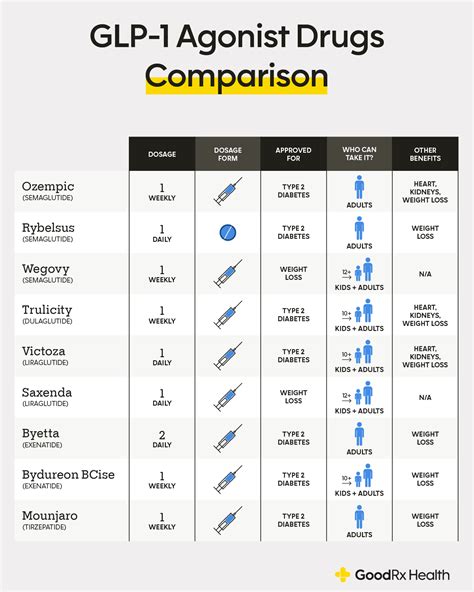
Master comparison table
Every figure below is sourced from the FDA prescribing information for each drug, the published STEP and SURMOUNT clinical trials, and current US list prices as of April 2026. Numbers are rounded; weight loss figures reflect the highest approved dose in the largest pivotal trial for each medication.
| Wegovy | Zepbound | Mounjaro | Ozempic | Saxenda | |
|---|---|---|---|---|---|
| Brand name | Wegovy | Zepbound | Mounjaro | Ozempic | Saxenda |
| Active ingredient | semaglutide | tirzepatide | tirzepatide | semaglutide | liraglutide |
| Drug class | GLP-1 receptor agonist | GIP/GLP-1 dual agonist | GIP/GLP-1 dual agonist | GLP-1 receptor agonist | GLP-1 receptor agonist |
| FDA indication | Chronic weight management | Chronic weight management | Type 2 diabetes (not FDA-approved for weight loss) | Type 2 diabetes (not FDA-approved for weight loss) | Chronic weight management |
| How it’s taken | Subcutaneous injection, once weekly | Subcutaneous injection, once weekly | Subcutaneous injection, once weekly | Subcutaneous injection, once weekly | Subcutaneous injection, once DAILY |
| Maximum dose | 2.4 mg weekly | 15 mg weekly | 15 mg weekly | 2.0 mg weekly | 3.0 mg daily |
| Average weight loss | 14.9% body weight at 68 weeks (STEP 1 trial) | 20.9% body weight at 72 weeks (SURMOUNT-1 trial, 15 mg dose) | Not a primary endpoint; substantial weight loss observed in trials | Not a primary endpoint; ~6% at approved doses | ~8% body weight at 56 weeks |
| FDA approval | 2021 | 2023 | 2022 | 2017 | 2014 |
| List price | $1349/mo retail, $499/mo NovoCare cash pay | $1086/mo retail, $349-$499/mo LillyDirect self-pay | ~$1069/mo retail | ~$968/mo retail | ~$1349/mo retail |
A few patterns jump out of the table. Weight loss is highest for the tirzepatide drugs (Zepbound and Mounjaro) and lowest for liraglutide (Saxenda). Dosing is once weekly for everything except Saxenda, which is daily. List prices cluster around $1,000-$1,400 per month, but the actual cash-pay prices through manufacturer programs are now dramatically lower for the two on-label weight loss drugs.
Section 03Weight loss drugs vs diabetes drugs: the FDA indication split
Almost every confusion in this category comes down to one fact: the FDA approves a specific drug for a specific use, and the use is what determines the brand name on the label, not the molecule inside. Two drugs can contain the same active ingredient and still be considered different medications by the FDA, the manufacturer, the pharmacy and your insurance plan.
Wegovy and Ozempic are both semaglutide. Zepbound and Mounjaro are both tirzepatide. The difference is the FDA indication: Wegovy and Zepbound are approved for chronic weight management; Ozempic and Mounjaro are approved for type 2 diabetes. Pharmacies cannot legally substitute one for the other.
This split has real consequences. Insurance covers diabetes drugs much more readily than weight loss drugs. Medicare Part D covers Ozempic for diabetes but historically refused to cover Wegovy for obesity (until the 2024 cardiovascular indication opened a narrow door). Many commercial employer plans exclude all weight loss medications by policy. The result is that patients with type 2 diabetes often get a GLP-1 covered with a $25 copay, while patients with obesity but no diabetes pay hundreds of dollars per month out of pocket.
The dose ceilings also differ. Wegovy goes up to 2.4 mg weekly while Ozempic tops out at 2.0 mg weekly. Zepbound and Mounjaro share an identical 15 mg ceiling, but Zepbound's titration is optimized around weight loss endpoints. Pharmacies cannot dispense one in place of the other regardless of supply, prescription wording, or patient preference. If you want the weight loss indication, you need a prescription written for the weight loss brand.
Section 04Pick your head-to-head Wegovy comparison
Every box below links to a full deep-dive comparing Wegovy to a single rival: dosing differences, trial results, price calculations, side effect profiles, and a verdict on who should pick which one. Start with whichever rival you have already heard about.
Wegovy vs Ozempic
Both contain semaglutide, both made by Novo Nordisk, both weekly injections — and yet one is approved for weight loss and the other for diabetes. Why pharmacies cannot swap them, why insurance treats them differently, and which one to ask your doctor about.
Read the comparison →
Biggest rivalWegovy vs Zepbound
Semaglutide vs tirzepatide. Wegovy has 14.9% average trial weight loss; Zepbound hit 20.9%. Side-by-side on price, dosing, side effects, supply and the head-to-head SURMOUNT-5 trial that pitted them directly against each other.
Read the comparison →
The diabetes twinWegovy vs Mounjaro
Mounjaro is Eli Lilly's tirzepatide for type 2 diabetes — the same molecule sold as Zepbound for weight loss. Whether it makes sense to use Mounjaro off-label for weight loss when Wegovy and Zepbound are both available with on-label approval.
Read the comparison →
The original GLP-1Wegovy vs Saxenda
Saxenda was Novo Nordisk's first weight-loss GLP-1, approved in 2014. It works, but it requires a daily injection and produces about half the weight loss of Wegovy in clinical trials. Why most patients on Saxenda are now switching, and when daily liraglutide still makes sense.
Read the comparison →
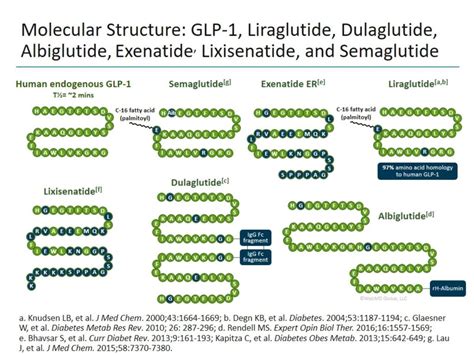
The three active ingredients: semaglutide, tirzepatide, liraglutide
Every drug on this page belongs to the same broad class — incretin mimetics — but only three molecules are involved. Understanding the molecules, rather than the brand names, makes the rest of the comparison much simpler.
Semaglutide (Wegovy, Ozempic, Rybelsus)
Semaglutide is a long-acting GLP-1 receptor agonist developed by Novo Nordisk. It is structurally engineered to resist breakdown so it can be dosed once weekly instead of daily. It activates GLP-1 receptors in the brain, gut and pancreas to reduce appetite, slow gastric emptying, and lower blood glucose. It is the molecule inside both Wegovy (weight loss, up to 2.4 mg weekly) and Ozempic (diabetes, up to 2.0 mg weekly), as well as Rybelsus (oral semaglutide for diabetes).
Tirzepatide (Zepbound, Mounjaro)
Tirzepatide is a newer molecule developed by Eli Lilly. It activates two hormone receptors instead of one — both GLP-1 and GIP (glucose-dependent insulinotropic polypeptide) — which is why it is called a dual agonist. The dual mechanism appears to drive larger weight loss than GLP-1 alone in head-to-head trial data. Tirzepatide is the molecule inside Zepbound (weight loss) and Mounjaro (diabetes), both up to 15 mg weekly.
Liraglutide (Saxenda, Victoza)
Liraglutide was the first injectable GLP-1 approved for weight loss in the United States, hitting the market as Saxenda in 2014. It is a once-daily injection that has been largely overtaken by the weekly semaglutide and tirzepatide drugs in terms of patient preference and trial weight loss numbers. Victoza is the same molecule approved for type 2 diabetes. Both are still in use, but new prescriptions for weight loss have shifted heavily toward Wegovy and Zepbound.
A quick word on metformin
Metformin keeps coming up in patient searches alongside the GLP-1s, so it is worth a brief note: metformin is not a GLP-1 and is not an alternative to Wegovy in any meaningful sense. It is an oral biguanide drug, first approved in the US in 1994, that works by reducing liver glucose output and improving insulin sensitivity. It is the first-line pharmacological treatment for type 2 diabetes and is dramatically cheaper than any GLP-1 (often under $10 per month generic). Average weight loss on metformin is 2-3%, an order of magnitude smaller than what Wegovy or Zepbound produce. It is not FDA-approved for obesity. Some clinicians use metformin alongside or before a GLP-1, but it does not replace one.
Section 06Weight loss effectiveness ranked, with trial data
Average weight loss in clinical trials is the cleanest comparison metric because each pivotal trial used a similar protocol: high-dose drug plus diet and exercise advice, against placebo plus the same lifestyle program, over roughly a year. Here is how the five drugs rank on this metric.
| Rank | Drug | Average weight loss | Trial & duration |
|---|---|---|---|
| 1 | Zepbound (tirzepatide 15 mg) | 20.9% | SURMOUNT-1, 72 weeks |
| 2 | Mounjaro (tirzepatide 15 mg, off-label) | ~20% observed | SURPASS trials, ~40-72 wks |
| 3 | Wegovy (semaglutide 2.4 mg) | 14.9% | STEP 1, 68 weeks |
| 4 | Saxenda (liraglutide 3.0 mg) | ~8% | SCALE Obesity, 56 weeks |
| 5 | Ozempic (semaglutide 1.0-2.0 mg, off-label) | ~6% | SUSTAIN trials |
Two important caveats. First, these are averages — individual results vary widely, with some patients losing twice the trial average and a smaller group losing very little. Second, the Ozempic and Mounjaro figures come from diabetes trials, so they reflect a different patient population (type 2 diabetics, who tend to lose less weight on GLP-1s than non-diabetic patients with obesity). Real-world weight loss on a GLP-1 depends on dose, duration, adherence, and the individual.
Section 07Price comparison at a glance
Pricing in this category changed dramatically between 2024 and 2026. List prices look high, but both Novo Nordisk and Eli Lilly now offer direct-to-consumer cash-pay programs that bypass insurance and dramatically lower the actual monthly cost for self-pay patients.
| Drug | Retail list price | Manufacturer self-pay | With commercial insurance |
|---|---|---|---|
| Wegovy | ~$1,349 / mo | $499 / mo (NovoCare) | $0-$25 with savings card (if covered) |
| Zepbound | ~$1,086 / mo | $349-$499 / mo (LillyDirect vials) | $25 with savings card (if covered) |
| Saxenda | ~$1,349 / mo | No major program | $25-$100 with savings card |
| Ozempic | ~$968 / mo | No weight-loss program | Often covered for diabetes ($0-$25) |
| Mounjaro | ~$1,069 / mo | No weight-loss program | Often covered for diabetes ($25) |
For most uninsured patients, Zepbound is now the cheapest on-label weight loss option through LillyDirect's $349-$499 vials, slightly undercutting Wegovy's $499 NovoCare program. For insured patients with diabetes, Ozempic and Mounjaro are usually the cheapest because they are covered by most plans. The exact number you pay depends entirely on your insurance, your formulary, and which manufacturer program you qualify for. We break down the math for each drug in our Wegovy cost guide.
Section 08Side effect comparison
All five drugs share the same headline side effect profile because they all act on the same GLP-1 pathway (Zepbound and Mounjaro add a GIP component on top). Gastrointestinal side effects dominate the early weeks of titration and ease over time for most patients.
| Side effect category | Wegovy | Zepbound | Saxenda |
|---|---|---|---|
| Nausea (very common) | ~44% | ~29% | ~39% |
| Diarrhea | ~30% | ~21% | ~21% |
| Vomiting | ~24% | ~13% | ~16% |
| Constipation | ~24% | ~17% | ~19% |
| Discontinuation due to side effects | ~7% | ~6% | ~10% |
| Boxed warning | Thyroid C-cell tumors | Thyroid C-cell tumors | Thyroid C-cell tumors |
The numbers vary slightly between trials and drug labels, but the takeaway is consistent: gastrointestinal side effects are the price of admission for any drug in this class. Discontinuation rates are lower than the raw side effect rates suggest because most patients tolerate the symptoms once titration is complete. Our Wegovy side effects guide covers the full list, including timelines and management strategies.
All GLP-1 receptor agonists carry an FDA boxed warning for thyroid C-cell tumors based on rodent studies. Human risk is unclear, but the drugs are contraindicated in anyone with a personal or family history of medullary thyroid carcinoma or multiple endocrine neoplasia syndrome type 2 (MEN 2).
Availability and insurance comparison
Supply and insurance access have been the dominant story for this category since 2022. The early Wegovy and Zepbound shortages have largely resolved as Novo Nordisk and Eli Lilly built out manufacturing, but coverage decisions remain a bigger barrier than supply for most patients.
- Wegovy: Widely available at retail pharmacies and through NovoCare Pharmacy direct. Commercial insurance coverage is mixed; Medicare covers it only for the 2024 cardiovascular disease indication.
- Zepbound: Widely available at retail; LillyDirect ships single-dose vials direct to patient. Commercial coverage is improving but still patchy. Medicare coverage for weight loss alone is limited.
- Ozempic: Generally well stocked again as of 2026. Almost universally covered for diabetes by commercial plans, Medicare Part D and Medicaid in most states.
- Mounjaro: Similar to Ozempic — widely covered for type 2 diabetes; not formally covered for weight loss.
- Saxenda: Available but declining in popularity as patients shift to weekly injections. Coverage is similar to Wegovy.
For a deeper look at how each plan type handles weight loss medications, see our cost and coverage guide and where to buy walkthrough.
Section 10Decision framework: which GLP-1 is right for you
There is no single "best" GLP-1 — the right choice depends on your diagnosis, insurance, supply access, and tolerance. Here is a simple framework to start the conversation with a clinician.
| Your situation | Most likely starting drug | Why |
|---|---|---|
| Obesity, no diabetes, want maximum weight loss | Zepbound | Highest average weight loss in trials; on-label for weight management |
| Obesity, no diabetes, want longer track record | Wegovy | On the market longer; cardiovascular benefit in CVD patients |
| Type 2 diabetes plus obesity | Mounjaro or Ozempic | Insurance usually covers diabetes drugs; weight loss is a bonus |
| Cardiovascular disease + obesity | Wegovy | FDA approval for MACE reduction; Medicare Part D coverage path |
| Cannot tolerate weekly injection | Saxenda | Daily injection, smaller doses, easier to titrate up or stop |
| Self-pay, want lowest sticker price | Zepbound (LillyDirect) or Wegovy (NovoCare) | $349-$499 manufacturer cash-pay programs |
The most important caveat: this is a decision to make with a prescribing clinician, not a self-diagnosis. A licensed provider can match the drug to your medical history, current medications, and any contraindications that rule certain options out. The framework above is a starting point for that conversation, not a substitute.
Frequently Asked Questions
What is the best GLP-1 drug for weight loss in 2026?
Based on head-to-head trial data, Zepbound (tirzepatide) produces the largest average weight loss — about 20.9% of body weight at 72 weeks in the SURMOUNT-1 trial. Wegovy (semaglutide) is second at 14.9% over 68 weeks in the STEP 1 trial. "Best" depends on more than effectiveness, however: tolerability, insurance coverage, supply, and cost all matter. Some patients lose more on Wegovy than the trial average, and some tolerate semaglutide better than tirzepatide.
Ozempic vs Wegovy vs Mounjaro — which one should I take?
Ozempic and Mounjaro are FDA-approved only for type 2 diabetes; Wegovy is FDA-approved for chronic weight management. If you have diabetes, Ozempic or Mounjaro may be covered by insurance and produce weight loss as a secondary benefit. If you do not have diabetes and want a drug specifically labeled for obesity, Wegovy or Zepbound are the on-label choices. Pharmacies cannot substitute one for another even when the active ingredient is identical.
Ozempic vs Wegovy vs Zepbound for weight loss?
Wegovy and Zepbound are the two GLP-1 drugs FDA-approved for weight loss. Ozempic uses the same active ingredient as Wegovy (semaglutide) but at a lower maximum dose and is approved only for diabetes — its weight loss effect is real but smaller. In trials, Zepbound produced the largest average weight loss, followed by Wegovy, with Ozempic third due to its lower maximum dose.
Is metformin a good alternative to Wegovy?
Metformin and Wegovy belong to completely different drug classes. Metformin is an oral biguanide first approved in 1994 for type 2 diabetes; it produces only modest weight loss (about 2-3% on average) and is not FDA-approved for obesity. Wegovy is a weekly injectable GLP-1 agonist approved for chronic weight management with average weight loss around 15%. Metformin is dramatically cheaper and well tolerated, but it is not a true alternative for patients seeking significant weight loss.
What is a good Wegovy alternative if I cannot get it?
The closest alternatives are Zepbound (tirzepatide) for the on-label obesity indication and Ozempic for off-label weight loss with diabetes. Saxenda (liraglutide, daily injection) is an older Novo Nordisk option with smaller average weight loss. For patients who cannot tolerate any GLP-1, oral options include Contrave, Qsymia and phentermine, though their weight loss is typically lower than injectable GLP-1 agonists.
Are Wegovy alternatives cheaper than Wegovy?
It depends on how you pay. Wegovy and Saxenda both list around $1,349 per month. Zepbound lists at $1,086 per month and offers LillyDirect self-pay vials starting at $349-$499. Wegovy now offers $499 per month NovoCare cash pay. Off-label compounded semaglutide and tirzepatide are sometimes cheaper but are not FDA-approved products and supply has tightened since 2024 as the official shortages ended.
Wegovy vs Ozempic — are they the same drug?
They contain the same active ingredient (semaglutide) and are made by the same manufacturer (Novo Nordisk), but they are different medications with different doses, indications, and labels. Wegovy goes up to 2.4 mg weekly and is approved for weight management. Ozempic goes up to 2.0 mg weekly and is approved for type 2 diabetes. Read more in our full Wegovy vs Ozempic comparison.
Wegovy vs Zepbound — which has fewer side effects?
Both produce similar gastrointestinal side effects: nausea, diarrhea, constipation and vomiting are very common with each. Direct head-to-head data is limited, but trial discontinuation rates due to side effects are roughly comparable (around 6-7% for both). Some patients tolerate one better than the other, and switching is sometimes used when side effects are intolerable on the first GLP-1 tried.
Can I switch between Wegovy, Zepbound, and Saxenda?
Switching is medically possible and is sometimes done due to side effects, supply issues, or insurance changes. Switching is usually done by stopping one drug and starting the new one at its lowest titration dose to limit nausea. Always have the switch managed by a prescribing clinician — dose equivalents are not direct, and a too-fast titration can cause severe GI side effects.
Does insurance cover Wegovy, Zepbound, Ozempic and Mounjaro the same way?
No. Insurance covers diabetes drugs (Ozempic, Mounjaro) far more often than weight loss drugs (Wegovy, Zepbound). Many commercial plans exclude obesity medications outright. Medicare currently does not cover GLP-1s for weight loss alone, though Wegovy gained Part D coverage in 2024 for the cardiovascular disease indication. Coverage varies dramatically by plan, so verifying through your formulary is essential.